
Issue No. 65 — 21.01.26
The terms bespoke and semi-bespoke are often used interchangeably when people start planning a new kitchen. In reality, they describe two very different approaches, with implications for design flexibility, cost, lead time, and how well a kitchen will work within your home.
Understanding the difference early on can help set realistic expectations and avoid compromises later in the process.
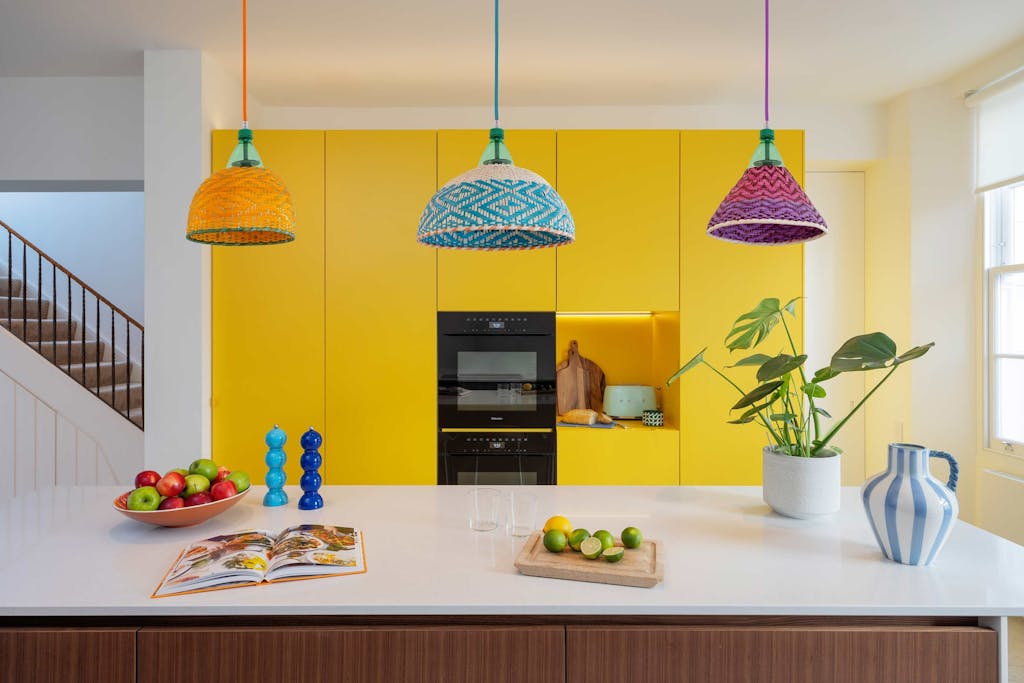
A semi-bespoke kitchen is built around a predefined system. Cabinet sizes, internal structures, and layouts are largely fixed, with some scope to customise finishes and details.
Typically, semi-bespoke kitchens offer:
This route can work well for straightforward spaces where speed and budget are the main priorities, and where the existing architecture does not demand much adaptation.
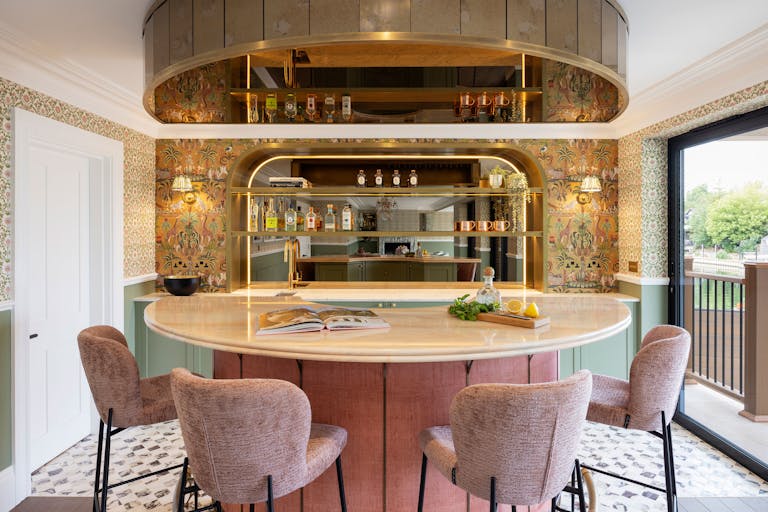
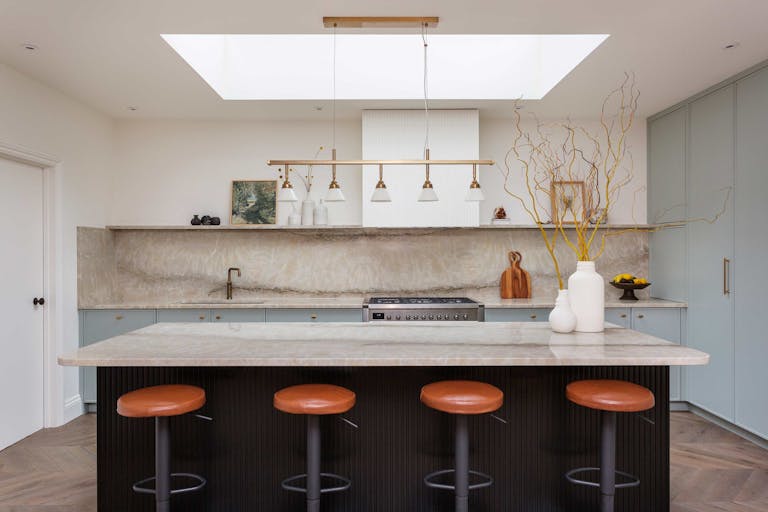
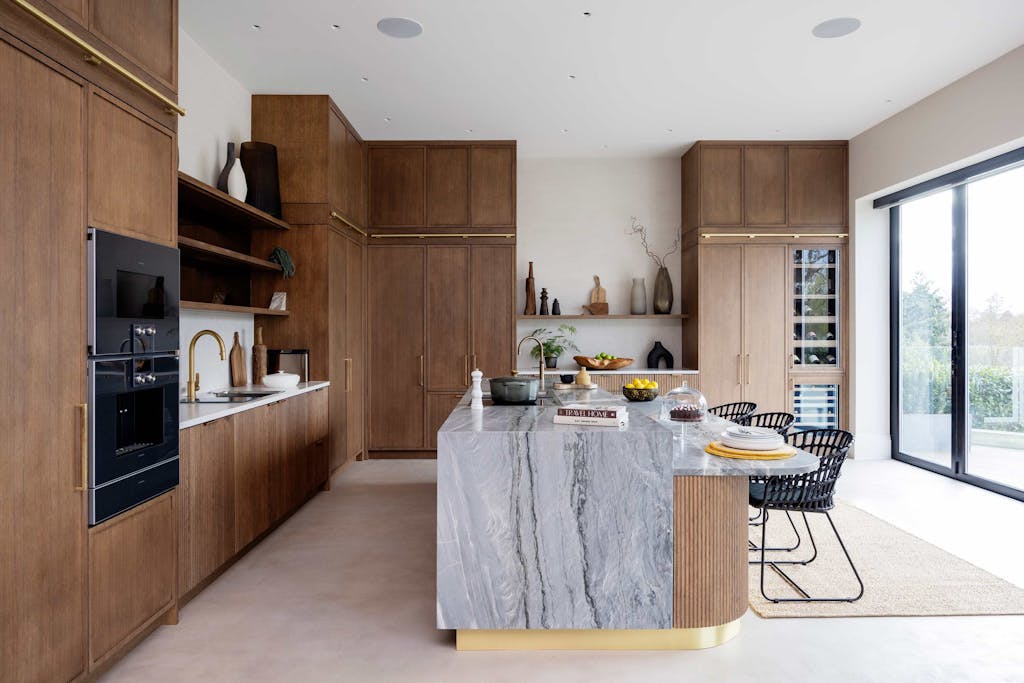
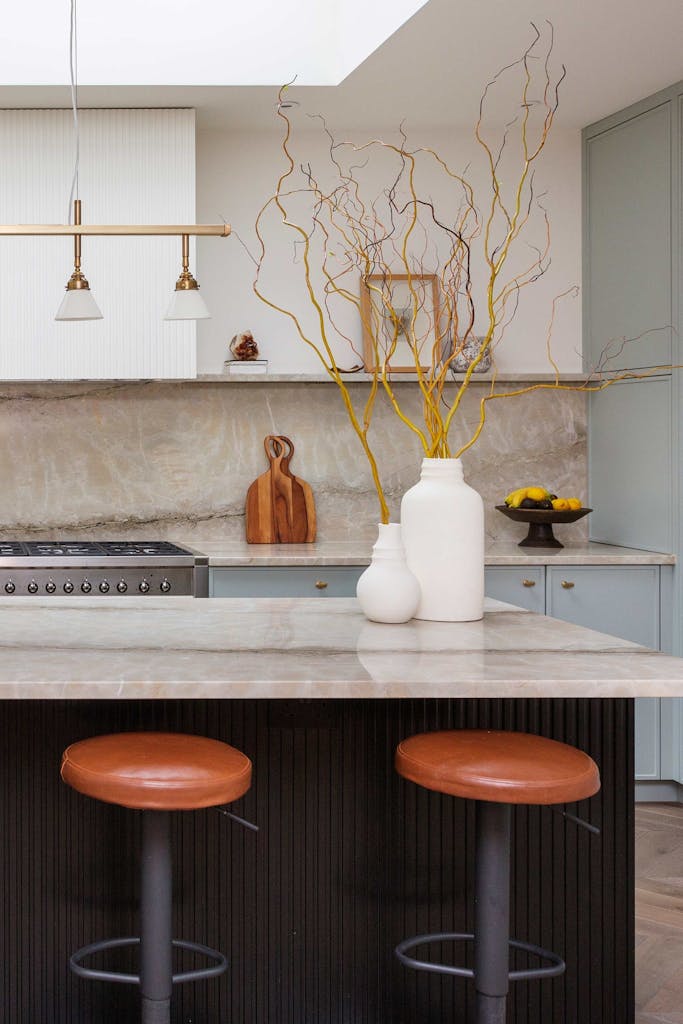
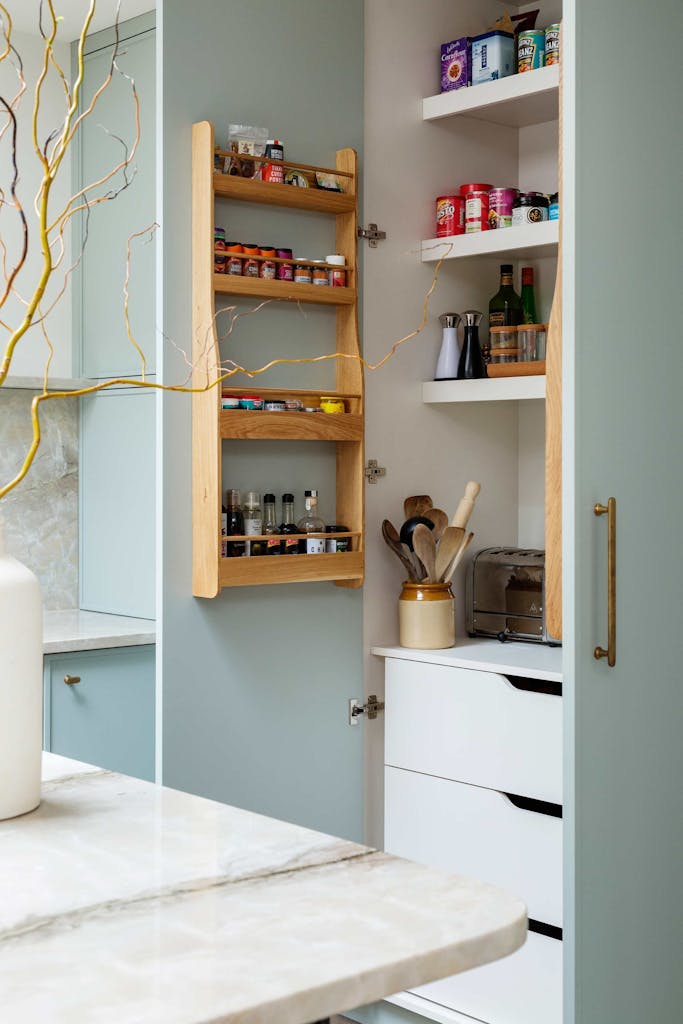
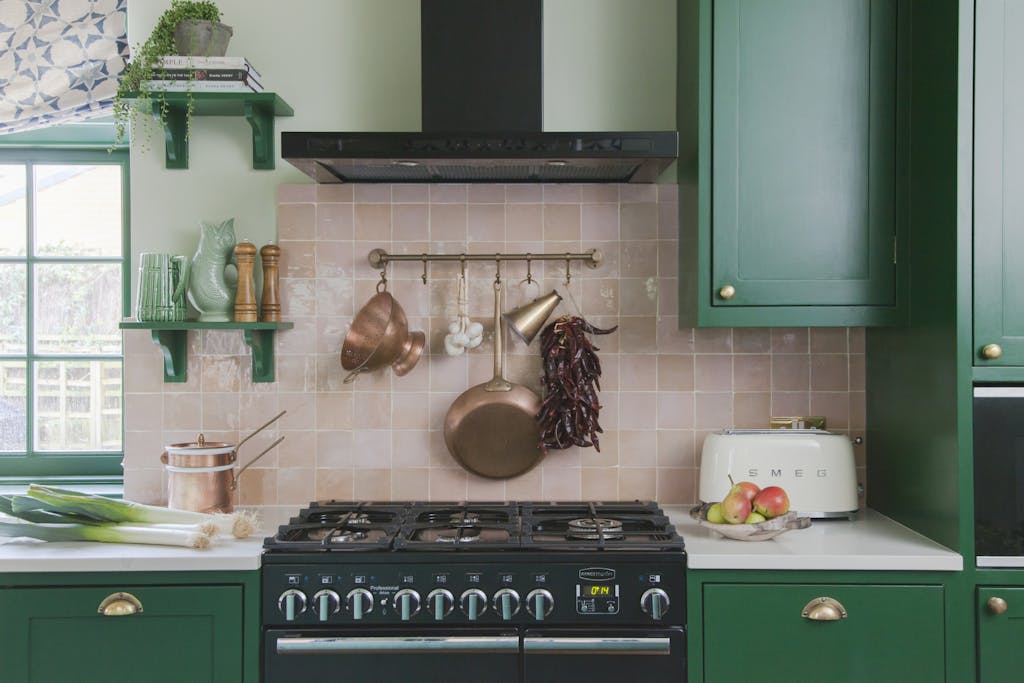
A bespoke kitchen is designed and made specifically for a particular space. There are no fixed cabinet sizes or predefined layouts. Every element is considered in relation to the architecture, the brief, and how the home is used day to day.
A bespoke approach allows for:
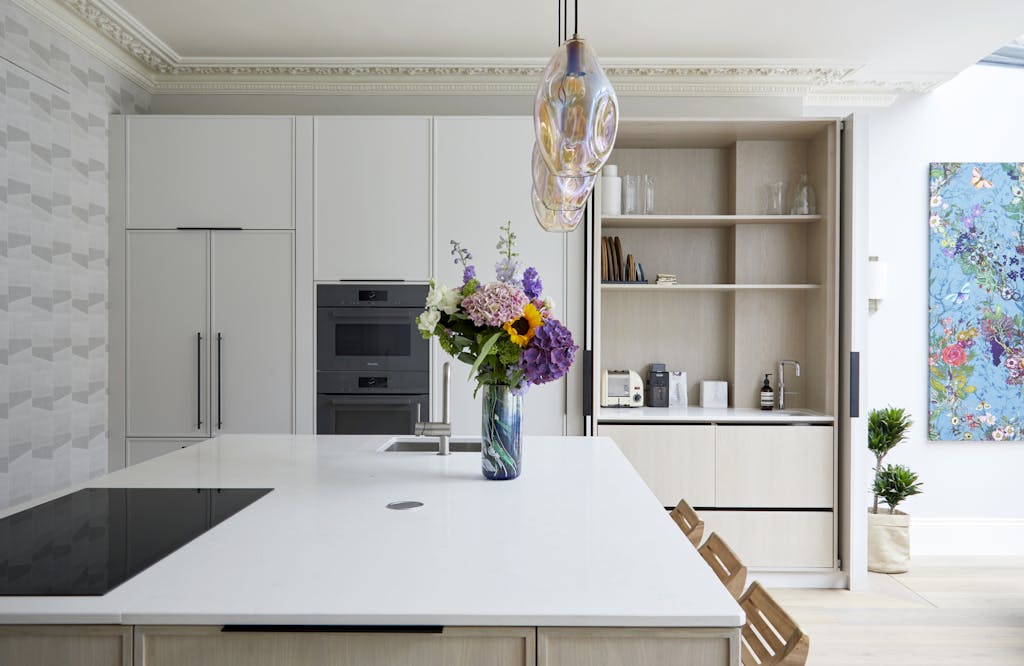
This level of flexibility is particularly valuable in period homes, apartments with constraints, or open-plan spaces where the kitchen needs to sit quietly within the overall design.
The distinction becomes clearer when you look at how each option performs in practice.
With a semi-bespoke kitchen, design decisions are shaped by the system. With a bespoke kitchen, the system is shaped by the design.
This affects:
How seamlessly the kitchen connects with the rest of the home
In real projects, the limitations of a semi-bespoke system often appear in small compromises. Filler panels to make standard units fit, slightly awkward proportions, or storage that does not quite align with how the space is used.
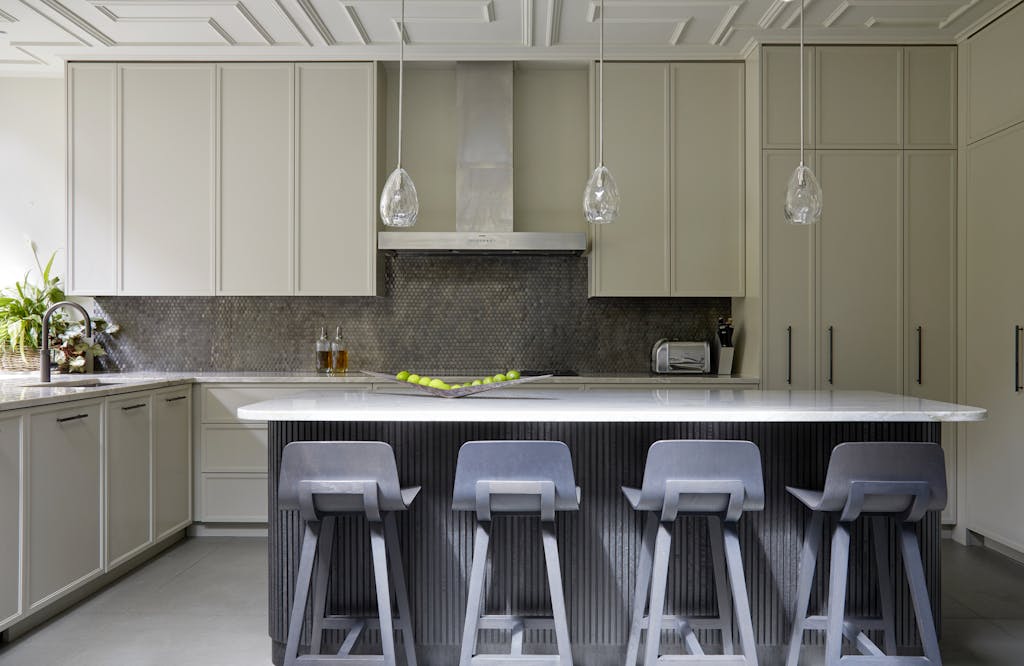
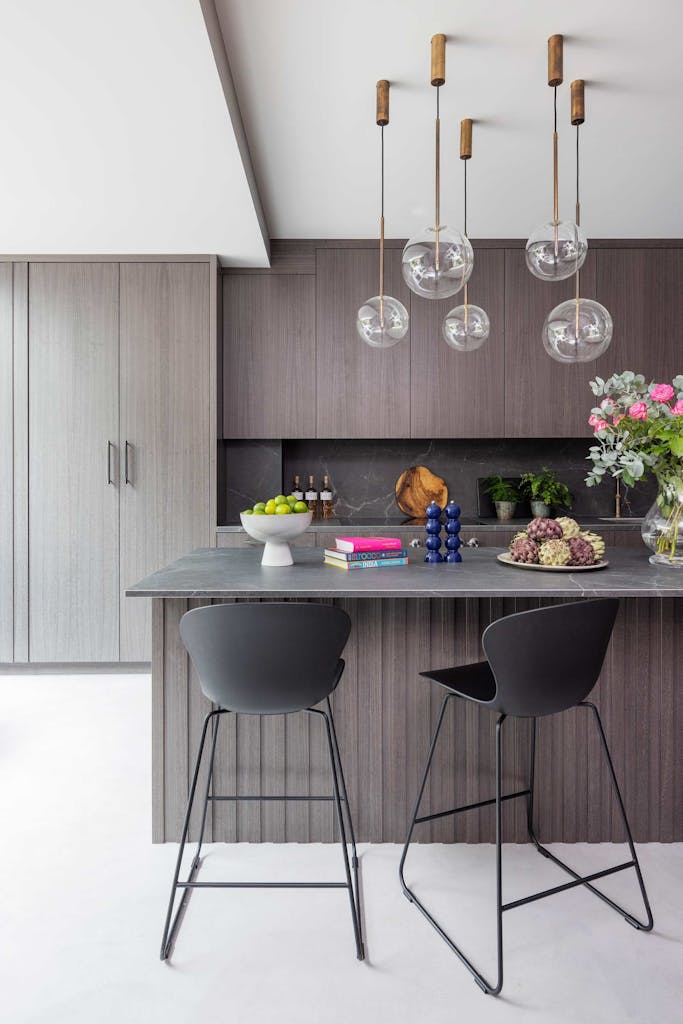
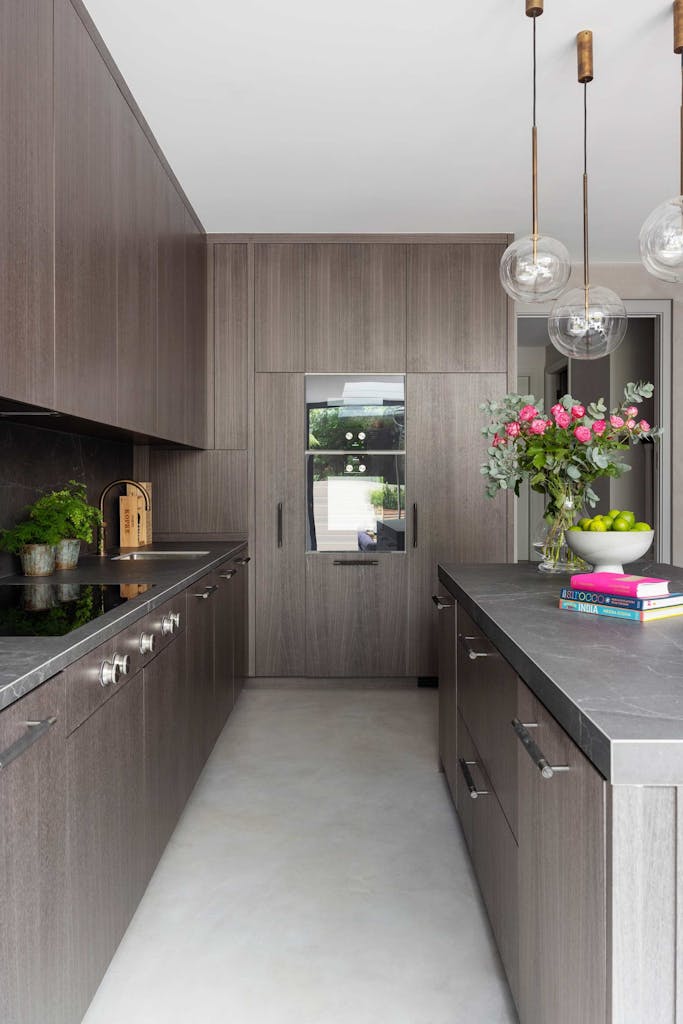
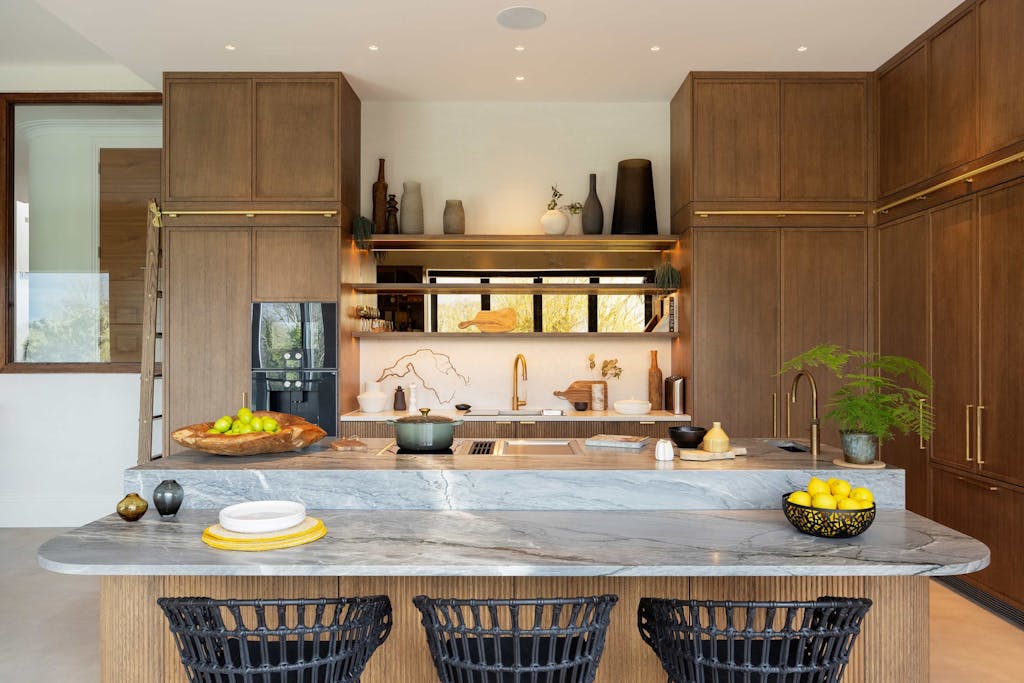
In contrast, a bespoke kitchen allows cabinetry to be built wall to wall, floor to ceiling, or precisely around structural elements. This results in cleaner lines, better use of space, and a calmer overall feel, especially in open-plan layouts where the kitchen is always on view.
The cost difference between bespoke and semi-bespoke is not just about materials or finishes.
With bespoke joinery, you are paying for:
Semi-bespoke kitchens reduce cost by standardising production. Bespoke kitchens invest more time and skill upfront to achieve a tailored result.
Semi-bespoke kitchens generally have shorter lead times because components are already designed and manufactured within a system.
Bespoke kitchens take longer, as each project moves through design development, technical detailing, workshop production, and installation. This makes early planning important, particularly for renovation projects or new builds.
For many clients, the extended timeline is balanced by a more resolved and enduring outcome.
A semi-bespoke kitchen may be the right choice if:
A bespoke kitchen is often better suited if:
Neither option is inherently right or wrong. The key is choosing the approach that aligns with your space and expectations.
At HUX London, we focus solely on bespoke kitchens and joinery. This allows us to work closely with architects, designers, and homeowners to develop kitchens that respond precisely to their setting.
Our approach is workshop-led and detail-driven, with every project designed, made, and installed as a cohesive whole rather than assembled from a system.
The real difference between bespoke and semi-bespoke kitchens lies in flexibility, fit, and long-term satisfaction. Understanding these distinctions early can make the design process clearer and more enjoyable.
Whether you are planning a kitchen as a standalone project or as part of a wider renovation, choosing the right approach from the outset sets the foundation for a space that works well now and continues to do so for years to come.
Explore our kitchen projects
to see how a fully tailored approach comes to life in real homes. If you’re at the early planning stage and would like guidance, get in touch with HUX to talk through your brief.